



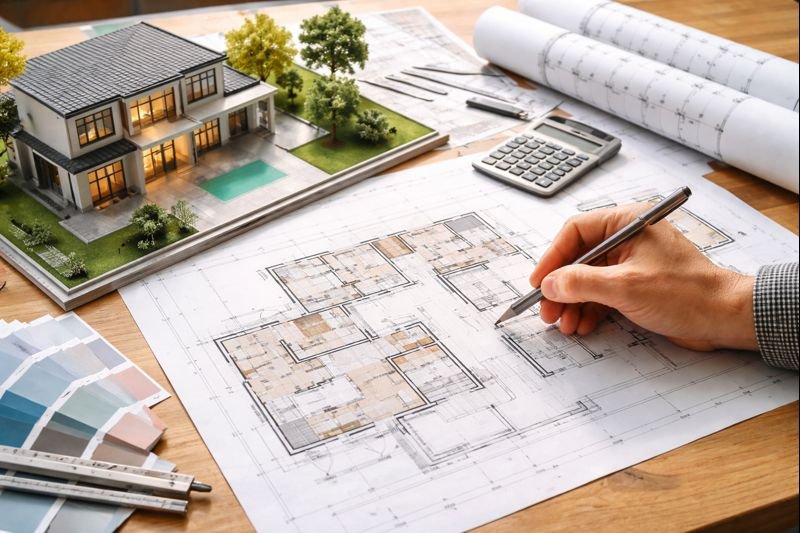
Designing a home is one of the most personal and impactful decisions you’ll ever make. At the heart of every successful home design lies a well-thought-out residential architecture plan—a blueprint that translates lifestyle needs, aesthetics, and functionality into a livable space.
In this guide, we’ll explore what residential architecture plans are, why they matter, different types of plans, current design trends, and how to choose or create a plan that truly fits your vision.
What Are Residential Architecture Plans?
Residential architecture plans are detailed drawings and documents that define the layout, structure, and design of a residential building. These plans serve as a roadmap for homeowners, architects, engineers, and builders, ensuring everyone works toward the same goal.
A comprehensive residential plan typically includes:
- Floor plans
- Elevations (front, rear, and side views)
- Site plans
- Structural layouts
- Electrical and plumbing schematics
Together, these elements guide the construction process from concept to completion.
Why Residential Architecture Plans Are So Important
A strong architectural plan does more than show where walls go—it shapes how you live.
1. Optimized Space Utilization
Good planning ensures every square foot serves a purpose, whether it’s open-concept living or private zones for rest and work.
2. Cost Control
Accurate plans help prevent costly mistakes, material waste, and unexpected changes during construction.
3. Compliance with Local Codes
Professionally designed plans align with zoning laws, building regulations, and safety standards.
4. Long-Term Comfort
Well-designed homes adapt to future needs, from growing families to aging in place.
Types of Residential Architecture Plans
Not all homes are the same, and neither are their architectural plans. Here are the most common types:
Single-Family Home Plans
Designed for standalone homes, these plans focus on privacy, outdoor integration, and personalized layouts.
Multi-Family Residential Plans
Used for duplexes, triplexes, and apartment buildings, these plans emphasize efficient unit layouts and shared spaces.
Custom Residential Architecture Plans
Tailored to a homeowner’s exact needs, custom plans offer complete design freedom—from room sizes to architectural style.
Stock House Plans
Pre-designed and ready to use, stock plans are cost-effective and faster to implement, with limited customization.
Key Elements of High-Quality Residential Architecture Plans
A well-executed residential plan balances creativity with practicality. Look for these essential components:
- Functional flow: Logical movement between spaces
- Natural light: Strategic window placement
- Ventilation: Healthy indoor air circulation
- Structural integrity: Proper load-bearing design
- Energy efficiency: Insulation, orientation, and materials
Modern Trends in Residential Architecture Plans
Today’s homeowners want more than just shelter—they want smart, sustainable, and adaptable spaces.
Open-Concept Living
For both aesthetic and practical reasons, seamless transitions between the kitchen, dining, and living areas remain popular.
Sustainable Design
Energy-efficient materials, solar integration, and passive cooling strategies are now standard considerations.
Smart Home Integration
Modern plans often include layouts optimized for smart lighting, security systems, and automation.
Indoor-Outdoor Connection
Courtyards, patios, large sliding doors, and green spaces enhance livability and well-being.
How to Choose the Right Residential Architecture Plan
Before selecting or designing a plan, ask yourself:
- How many bedrooms and bathrooms do I need?
- What is my budget range?
- Do I need flexibility for future expansion?
- How does the home respond to climate and site conditions?
- What architectural style reflects my taste?
Working with an experienced residential architect can help translate these answers into a practical and beautiful plan.
Custom vs. Pre-Designed Residential Plans: Which Is Better?
| Personalization | High | Limited |
| Cost | Higher upfront | More affordable |
| Design Time | Longer | Faster |
| Site Adaptability | Excellent | Moderate |
Your budget, schedule, and degree of customisation requirements will determine which option is ideal for you.
Common Mistakes to Avoid in Residential Architecture Planning
- Ignoring future needs
- Poor storage planning
- Overlooking natural light
- Designing without site context
- Prioritizing aesthetics over functionality
Avoiding these pitfalls can save years of discomfort and expensive renovations.
Final Thoughts on Residential Architecture Plans
A thoughtfully designed residential architecture plan is the foundation of a home that feels comfortable, efficient, and timeless. Whether you choose a custom design or adapt a pre-designed layout, investing time in planning pays off in the long term.