



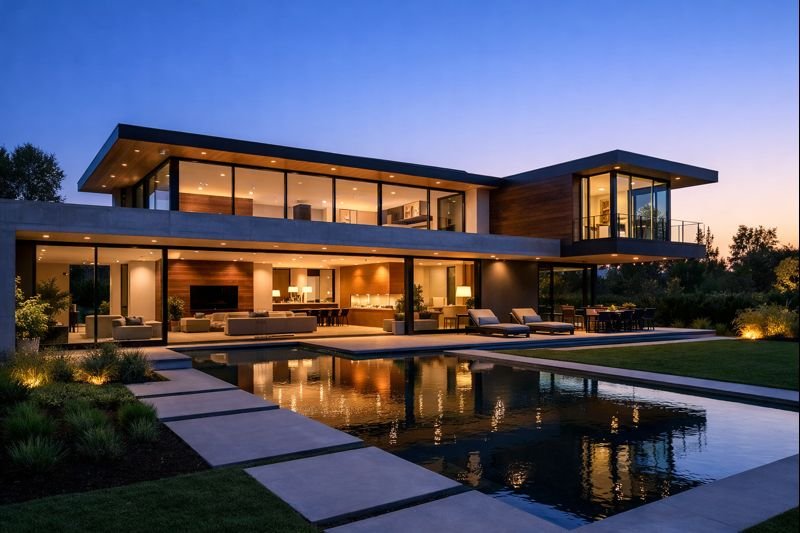
Modern house design has become one of the most sought-after architectural styles in today’s housing market. Defined by clean lines, functional spaces, and a strong connection to nature, modern homes offer a perfect balance between aesthetics and practicality. Whether you’re planning to build a new house or renovate an existing one, understanding modern house design can help you create a space that feels timeless, comfortable, and future-ready.
In this guide, we’ll explore the core principles, popular layouts, materials, and the latest trends shaping modern house design.
What Is Modern House Design?
Modern house design originated in the early to mid-20th century, emphasizing simplicity, functionality, and innovation. Unlike traditional styles that focus on ornamentation, modern homes prioritize form following function.
Key characteristics include:
- Minimalist architecture
- Open floor plans
- Large windows and natural light
- Neutral color palettes
- Integration of indoor and outdoor spaces
Modern design is not about being cold or sterile—it’s about creating purposeful, livable spaces with visual harmony.
Core Principles of Modern House Design
1. Clean Lines and Simple Forms
Modern homes feature straight lines, geometric shapes, and uncluttered facades. Rooflines are often flat or low-pitched, and decorative elements are kept to a minimum.
2. Open Floor Plans
One of the defining features of modern house design is an open layout. Kitchens, dining areas, and living rooms often flow into one another, creating a sense of space and encouraging social interaction.
3. Natural Light and Large Windows
Floor-to-ceiling windows, sliding glass doors, and skylights are common. These elements:
- Reduce the need for artificial lighting.
- Enhance energy efficiency
- Create a strong indoor-outdoor connection.
4. Functional Spaces
Every room in a modern house has a clear purpose. Storage is built-in, layouts are efficient, and wasted space is avoided.
Popular Modern House Design Styles
Minimalist Modern
This style strips design down to its essentials. Neutral colors, hidden storage, and simple furniture define minimalist modern homes.
Mid-Century Modern
Inspired by designs from the 1940s–1960s, this style features:
- Flat planes
- Large glass windows
- Natural materials like wood and stone
Contemporary Modern
Often confused with modern design, contemporary homes adapt current trends while maintaining clean lines and open spaces.
Industrial Modern
This variation incorporates raw materials such as exposed concrete, steel, and brick, offering a bold and urban aesthetic.
Best Materials for Modern House Design
For both durability and beauty, selecting the appropriate materials is essential.
- Concrete: Clean, strong, and versatile
- Glass: Enhances openness and natural light
- Steel: Adds structure and modern appeal
- Wood: Brings warmth and balance to minimalist spaces.
- Stone: Creates texture and natural contrast
The best modern house designs mix these materials to avoid a flat or overly stark appearance.
Interior Design Ideas for Modern Homes
Neutral Color Palettes
Whites, grays, beiges, and earth tones dominate modern interiors. These colors create a calm environment and make spaces feel larger.
Statement Lighting
Pendant lights, recessed lighting, and architectural fixtures add personality without cluttering the space.
Smart Storage Solutions
Hidden cabinets, wall-mounted shelves, and multifunctional furniture help maintain a clean, organized look.
Modern Furniture
Furniture in modern house design focuses on:
- Simple shapes
- Comfort
- Quality materials
- Neutral or muted colors
Exterior Design Elements That Stand Out
The exterior of a modern home is just as important as the interior.
- Asymmetrical facades
- Mixed materials (wood + concrete + glass)
- Minimal landscaping with clean pathways
- Neutral exterior colors with bold accents
A strong exterior design increases curb appeal and property value.
Sustainable and Smart Features in Modern Homes
Sustainability plays a major role in modern house design today.
Energy-Efficient Features
- Solar panels
- High-performance insulation
- Energy-efficient windows
- LED lighting
Smart Home Technology
Modern homes often include:
- Smart thermostats
- Automated lighting
- Security systems
- Voice-controlled devices
These features improve comfort while reducing energy consumption.
Modern House Design for Small Spaces
Modern design works exceptionally well for small homes and apartments.
Tips include:
- Open layouts to reduce visual barriers
- Multi-purpose furniture
- Large mirrors to reflect light
- Light color schemes
- Vertical storage solutions
Even compact spaces can feel open and luxurious with the right modern design approach.
Common Mistakes to Avoid
- Overusing cold materials without warmth
- Ignoring functionality for aesthetics
- Poor lighting design
- Excessive minimalism that feels empty
- Lack of storage planning
A successful modern house design balances beauty with livability.
Why Modern House Design Remains Popular
Modern homes continue to dominate architecture trends because they are:
- Timeless
- Flexible
- Energy-efficient
- Easy to maintain
- Adaptable to future needs
Modern home design offers countless options, whether you’re looking for a simple haven or a striking architectural statement.
Final Thoughts
Modern house design is more than a style—it’s a lifestyle choice focused on simplicity, efficiency, and comfort. By combining clean architecture, functional interiors, and sustainable features, modern homes create spaces that feel both elegant and welcoming.