



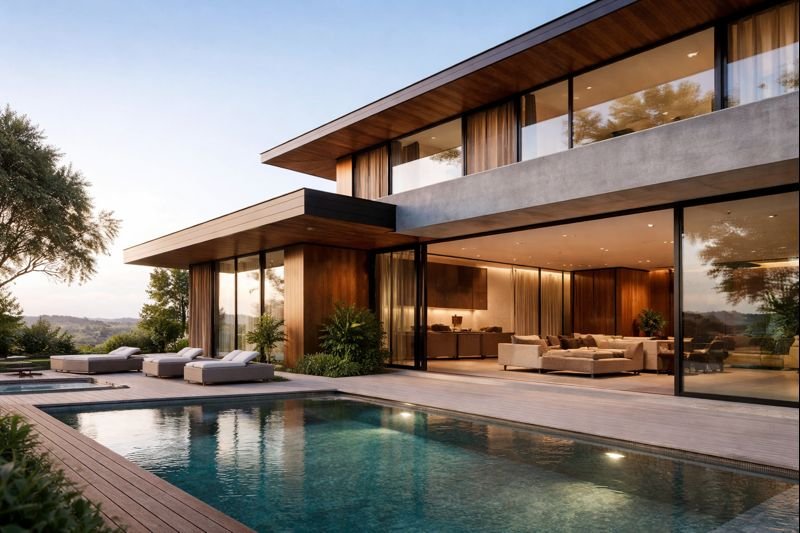
Architectural design is more than creating buildings—it’s about shaping how people live, work, and interact with their surroundings. Whether you’re designing a home, a commercial space, or an urban development, the right architectural design ideas can elevate functionality, aesthetics, and long-term value.
In this guide, we explore practical, innovative, and timeless architectural design ideas that balance creativity with purpose. These ideas are inspired by modern trends, classic principles, and real-world design challenges—helping you create spaces that feel intentional, beautiful, and enduring.
1. Start With Purpose-Driven Design
The most successful architectural designs begin with a clear purpose. Before selecting materials or visual styles, architects focus on how the space will be used.
Key questions to guide purpose-driven design:
- Who will use the space daily?
- What activities will occur there?
- How should the space feel—calm, energetic, private, open?
Designing with intent ensures that every element serves a purpose, reducing unnecessary complexity and improving the user experience.
Pro tip: Purpose-driven layouts often outperform trend-heavy designs in long-term satisfaction and resale value.
2. Embrace Natural Light as a Design Element
Natural light is one of the most powerful architectural tools. It influences mood, energy efficiency, and spatial perception.
Architectural ideas to maximize daylight:
- Floor-to-ceiling windows
- Skylights and clerestory windows
- Open floor layouts that let light in
- Light wells in dense urban buildings
Well-planned daylighting reduces dependence on artificial lighting while creating warmer, more inviting interiors.
3. Open-Concept Layouts With Defined Zones
Open spaces remain popular, but the best architectural design ideas introduce subtle zoning to maintain functionality.
Examples include:
- Partial walls or glass partitions
- Changes in ceiling height
- Flooring transitions
- Built-in shelving as dividers
This approach preserves openness while preventing spaces from feeling chaotic or undefined.
4. Sustainable Architecture That Goes Beyond Trends
Sustainability is no longer optional—it’s a core architectural principle. Modern architectural design ideas focus on long-term environmental and economic benefits.
Sustainable design features:
- Passive solar orientation
- High-performance insulation
- Locally sourced materials
- Green roofs and rainwater harvesting
- Energy-efficient windows and shading systems
Sustainable buildings are not only eco-friendly but also cost-effective over time, making them increasingly attractive to homeowners and developers alike.
5. Material Honesty and Texture Layering
One of the strongest architectural design ideas is letting materials speak for themselves. Instead of hiding textures, modern architecture celebrates them.
Popular material combinations include:
- Exposed concrete with warm wood
- Natural stone paired with steel.
- Brick combined with glass façades
Layering textures adds depth and authenticity while creating visual interest without over-decoration.
6. Indoor-Outdoor Living Integration
One characteristic of modern architecture is the blurring of the boundaries between indoor and outdoor areas.
Design ideas that connect indoors and outdoors:
- Large sliding or folding glass doors
- Courtyards and atriums
- Covered patios and verandas
- Consistent flooring materials inside and out
This approach enhances livability, especially in residential architecture, and strengthens the connection to nature.
7. Human-Scale Design for Comfort and Flow
Even grand architectural designs should feel comfortable at a human level. Successful architects pay close attention to proportions, ceiling heights, and circulation.
Human-centered architectural ideas include:
- Comfortable stair dimensions
- Natural walking paths
- Intuitive room transitions
- Visual connections between spaces
Designing for human movement and interaction improves usability and emotional connection to the space.
8. Smart Storage as an Architectural Feature
Storage is often overlooked, yet it’s essential for functional design. Innovative architectural designs seamlessly integrate storage into the structure.
Examples:
- Built-in wall niches
- Under-stair storage
- Floor-to-ceiling cabinetry
- Multi-functional furniture integrated into architecture
These solutions reduce clutter and maintain clean architectural lines.
9. Modern Minimalism With Warmth
Minimalist architecture continues to evolve. Today’s best architectural design ideas soften minimalism with warmth and personality.
Key elements include:
- Neutral color palettes with natural accents
- Soft lighting instead of harsh contrasts
- Curved forms to balance sharp lines
- Thoughtful use of textiles and finishes
The goal is simplicity without sterility—spaces that feel calm but lived-in.
10. Timeless Design Over Short-Lived Trends
Timeless architecture endures for decades despite fads. Overly styled designs don’t age as well as classic proportions, sturdy materials, and practical layouts.
Timeless architectural principles:
- Balanced symmetry
- High-quality craftsmanship
- Flexible layouts
- Neutral foundations with adaptable accents
Designing for longevity ensures your space remains valuable, both aesthetically and financially.
11. Technology-Integrated Architecture
Modern architectural design ideas seamlessly integrate technology without letting it dominate the space.
Smart architectural features include:
- Hidden wiring and automation systems
- Smart lighting and climate control
- Acoustic design for sound comfort
- Energy monitoring systems
When technology supports comfort and efficiency invisibly, it enhances rather than distracts from the design.
12. Contextual Design That Respects Location
Great architecture responds to its surroundings. Climate, culture, and environment should influence design decisions.
Context-aware architectural ideas:
- Climate-responsive façades
- Local materials and craftsmanship
- Designs that complement neighboring structures
- Respect for natural topography
This approach creates harmony between buildings and their environments, a value increasingly recognized by planning authorities and communities.
Final Thoughts: Designing With Vision and Purpose
The best architectural design ideas are not about following rules—they’re about understanding people, place, and purpose. Whether you’re planning a modern home, renovating an existing structure, or conceptualizing a commercial project, thoughtful architecture can transform everyday experiences.